
HVS-200
The age range of 0 to 6 years old is the most rapid stage of eye refractive development. If children’s refractive problems can be detected in a timely manner during this stage, and corresponding measures can be taken, Intervention measures can effectively prevent or control the development of myopia. However, due to limitations in vision testing technology, the difficulty in visual acuity testing for especially for those aged 3. In view of this, Link has launched the Columba series vision screening device, which has achieved the first breakthrough in early vision screening for children under 3 years old, helping children’s vision screening technology enter a new field.
The ultra-large capacity battery can support high-intensity screening for more than 5 hours. Equipped with super-fast charging, it takes 15 minutes to charge and can last for 1.5 hours.
Supports multiple charging modes such as Type-C interface and portable charger.
Innovative audio-visual attraction function to enhance
The Columba series vision screening device from Link has pioneered the audio and visual attraction function, which utilises sound and animation to continue to attract young children’s fixation, creating a good atmosphere for detection and enhancing children’s willingness to cooperate in testing.
0.1s instantaneous detection, with high-speed acquisition to improve detection success rate
The Columba series vision screening device from Link utilises the latest generation of optical measurement technology. After entering the detection process, detection data can be obtained within 0.1 seconds, and the detection speed improvement has greatly increased the success rate of detection for young children, and it is also extremely saves doctors’ testing operation time.
Single-point ranging technology ensures that the detection process is not affected by patient movements
Most vision screening devices on the market use ultrasound measurement, which can be easily affected by patient movements, environmental factors. Columba series, Series uses single-point ranging technology, which is not affected by patient movements and environmental obstruction interference during the measurement process
Related products
-
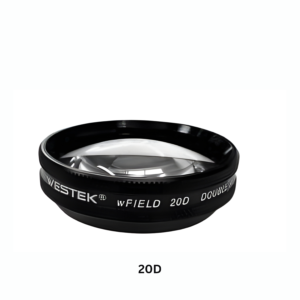
20D\78D\90D(Aspherical Lens)
Keratometer -
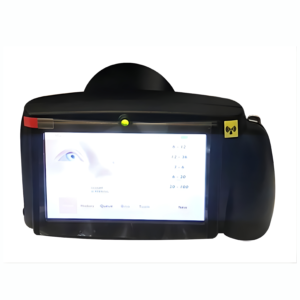
SW-800
Ophthalmic Equipments -
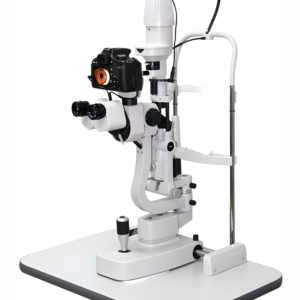
SL-520 Image system
Ophthalmic Equipments -
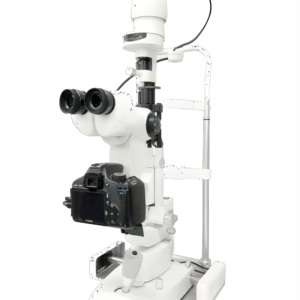
SL-400 Image system
Ophthalmic Equipments